Since we began this journey in 2020, I’ve stated that we believe the Keatings to have come from “Tipperary,” as it is one of the few locations specifically mentioned on Keating records. Even so, the definite origins of the Keating family largely remained a mystery. It certainly appears that the Keatings may have been in Tipperary for at least some time prior to leaving Ireland, but this does not answer the question of Edward Keating’s birthplace and longtime familial hometown. I took a deeper dive into this issue by not only doing additional research of historical documentation related specifically to the Keating family, but also by studying the cultural significance of the Irish community in St. Louis – the town in which Keatings first appeared to settle, and through the use of my own DNA records and genetic matches.
Keatings in Tipperary – Pre-Immigration
On the April,1850 ship passenger list, the Keating family includes a son, James, age 3. This means he would have been born around 1846 or 1847, depending on the month. I have a baptism record for a James Keating, son of Edward and Honora, in May, 1846, Parish in Killaloe, Cloghjordan (Tipperary).
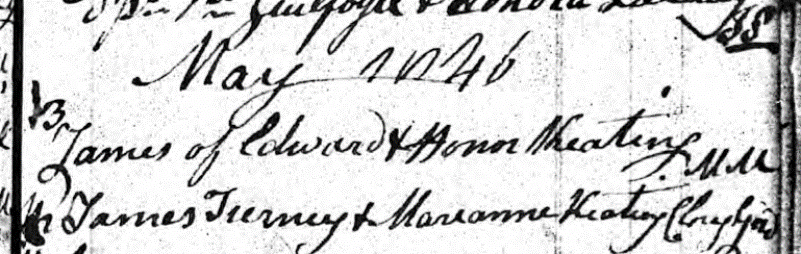
The confusing thing about Ireland and its records (well, one of the many confusing things), is that Ireland has “civil” parishes and “Catholic” parishes, but the geographic boundaries of these two districting schemes do not align with one another. The Killaloe/Cloghjordan Catholic Parish overlaps with the following civil parishes: Ardcrony, Ballygibbon, Kilruane, and Modreeny. This means that if the James in the Killaloe/Cloghjordan Catholic parish records is our James Keating, we should at least expect that this particular Catholic parish has some geographic overlap with a civil parish that also has Keating records.
Edward Keating is James’ father. Fortunately, “Edward” is not a particularly common male name in Ireland in the 1840’s. This is extremely helpful when so many Irish names match one another. Edmond was a more common name. James’ mother’s name – Honora – while not extremely uncommon, is luckily not as common as “Mary” or “Julia” or some of the other female names we see rampantly. One of the few Ireland Property Valuation books that includes an Edward Keating in all of Ireland are those from 1845 for the civil parish of Modreeny:

Given that (1) James was baptized in the Killaloe/CloughJordan Catholic Parish to parents Edward and Honora; (2) the catholic parish overlaps with the Modreeny civil parish; (3) Edward is an extremely uncommon Irish name and Honora isn’t terribly common, either; (4) an Edward lived in and owned property in Modreeny; and (5) did so in 1845, a period in which we might expect him to live there prior to his 1850’s departure from Ireland, there is a good chance that the James Keating baptism record is for our James Keating. But, this only provides us evidence of what we already suspected – which is that the Keatings’ last place of residence prior to coming to America was in County Tipperary. Given the lack of other background on this area, and the general absence of Keating families, I still had a suspicion that the Keatings moved to Tipperary to work and raise their family, but might have come from another part of Ireland originally.
DNA Data and County Kerry
I believe that the Keating’s actually came from County Kerry. I have the DNA data for my father and I on both 23andMe and MyHeritage. I know that my father’s mother’s mother’ side (Donovans) were from Kilcrohane, Cork. I know the only Irish on my mom’s side was also from the same area in West Cork as my maternal grandmother’s Donovan’s side (Cork).
Me >>> My dad >>> Margaret Keating >>> Albert Keating >>> parents Michael Keating and Elizabeth Guilfoyle
That narrows the Irish DNA for my father and me to two lines – the Keatings and the Guilfoyles. The Guilfoyle line is a mystery – it appears Albert’s wife’s parents came from Ireland and moved to Cincinnati, but that’s all we know. But at least we can narrow the Irish DNA links down to Donovans from Cork, Guilfoyles from unknown, and Keatings from unknown. As far as the DNA data is concerned, Both 23andMe and MyHeritage link my father and me first to Cork, and then second to Kerry, noting specific “DNA communities” in Cork and Kerry. There is also much more of a cluster of DNA matches in Cork and Kerry, and it is more sparse in the Tipperary area. Based on the clusters of DNA matches we have in County Kerry alone, I suspected that Kerry may be the original birthplace of the Keatings, but that alone was not enough to be sure.
The Irish in St. Louis
The Keatings came from Ireland to America in 1850, but they did not go directly to Cincinnati. Instead, they first went to St. Louis, Missouri. Immigrants routinely ended up in parts of the country where their other relatives and/or people from their hometowns settled. They helped get each other jobs and housing, and collectively may have a common trade or skill that happens to be of use both in their town of origin, and in the American town in which they settled.
Because of this, I thought it would be worthwhile to get a better understanding of the Irish immigrant population in St. Louis in the 1840’s and 1850’s. Doing so might shed some light on why the Keatings ended up there. I first looked up where the Keatings lived in St. Louis and found the following directory information:
1859 directory:
Keating Edward, stonecutter,r.residence Franklin avenue between 24th and 25th
Keating John, stonecutter, rear Carr between 22d and 23d
1860 directory:
Keating Edward, stonecutter, residencer. south sides. Wash between. 22d and 23d
Keating Edward E., stonecutter, boardsbds. 21 Morgan
The Keating’s lived in the north/northwest side of St. Louis which apparently was called the, “Kerry Patch” due to the overwhelming amount of Irish from County Kerry who came to that area. That area also had a stone quarry owned by the Sheehan family during the period that Keatings lived there. Given that Edward was a stonecutter, perhaps that is what drew them there.
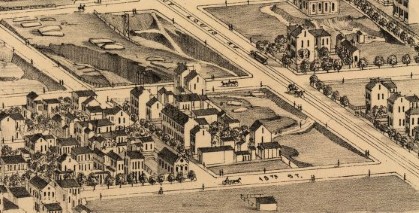
Compton and Dry’s Pictorial St. Louis (1876) shows the Sheehan quarries on the south side of St. Louis Avenue. This view is looking slightly northwest. After renumbering, 18th Street became 22nd Street. SOURCE: http://preservationresearch.com/north-st-louis/early-irish-influence-in-st-louis-place/
The Keatings and County Kerry, Revisited
As I stated earlier, I had a feeling that the Keatings may have come from County Kery, rather than County Tipperary, simply due to the number of DNA connections my father and I had to County Kerry. Between that and the information on the Irish innSt. Louis, I thought it worthwhile to dig a little more into this theory. When I started to look around at the distribution of the name “Keating” in Ireland generally, I found that there is a huge Keating cluster in the area of Cahersiveen, Kerry.
I messaged one 23andMe DNA match of mine, John Murphy, who is Irish and who lives in Ireland. I know I am linked to him on the Keating side based on our mutual matches and my family tree. When I messed him, I didn’t mention County Kerry or Cahersiveen, but I did explain that we are linked by DNA on the Keating side. I asked him if he knew how he was linked to Keating’s and what he knew about them. (I messed a number of Ireland DNA matches this same information, and this is the one that responded).
John Murphy responded and said that he is not sure how he is linked to the Keatings exactly, but:
I believe the Keatings are from Cahersiveen, related to the O’Neil’s of Sneem to the macElligotts of stack mountain, and Nora McElligott was my mother…
One of our only indications that the Keatings came from Tipperary, aside from the 1845 land records for Edward Keating, was a death record for his son John Keating that says he is from Tipperary. I am guessing that John’s death record mentions Tipperary because perhaps he and his siblings were born there. Maybe Edward and Honora went to Tipperary in search of work and to raise children, and that was the last place they lives before immigrating, though likely not their birthplace. All things considered, it appears thus far that the Keating’s long-term origins are more likely in County Kerry, perhaps in Cahersiveen.
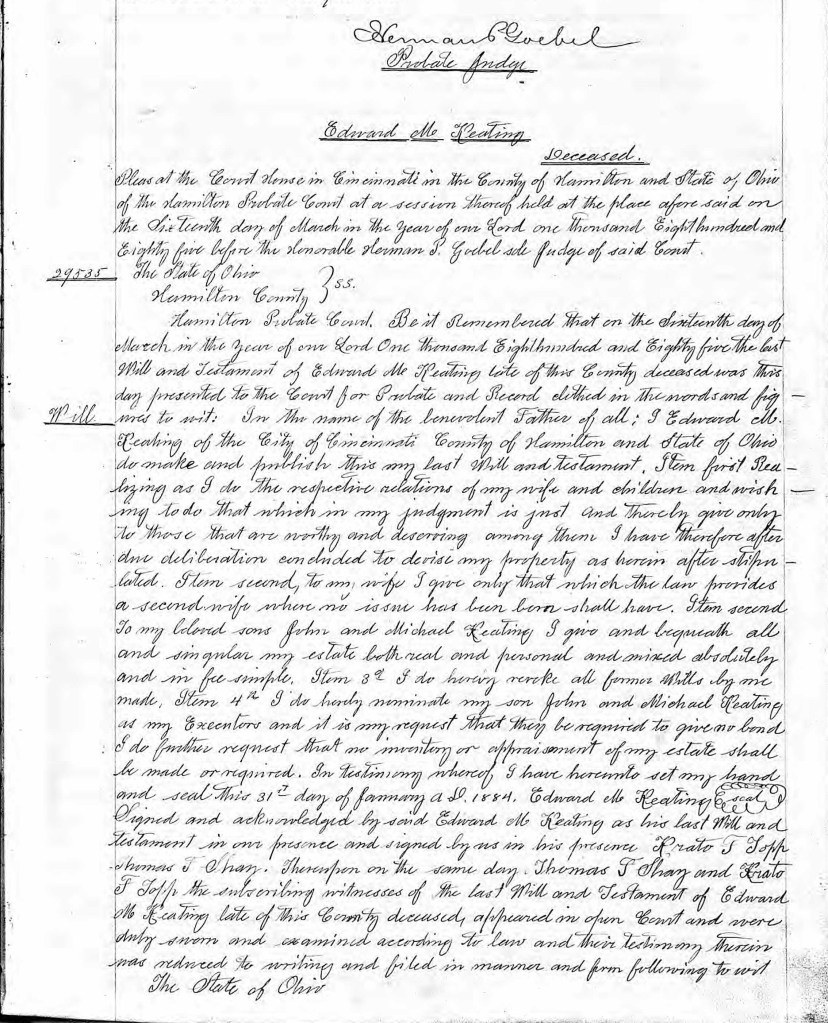



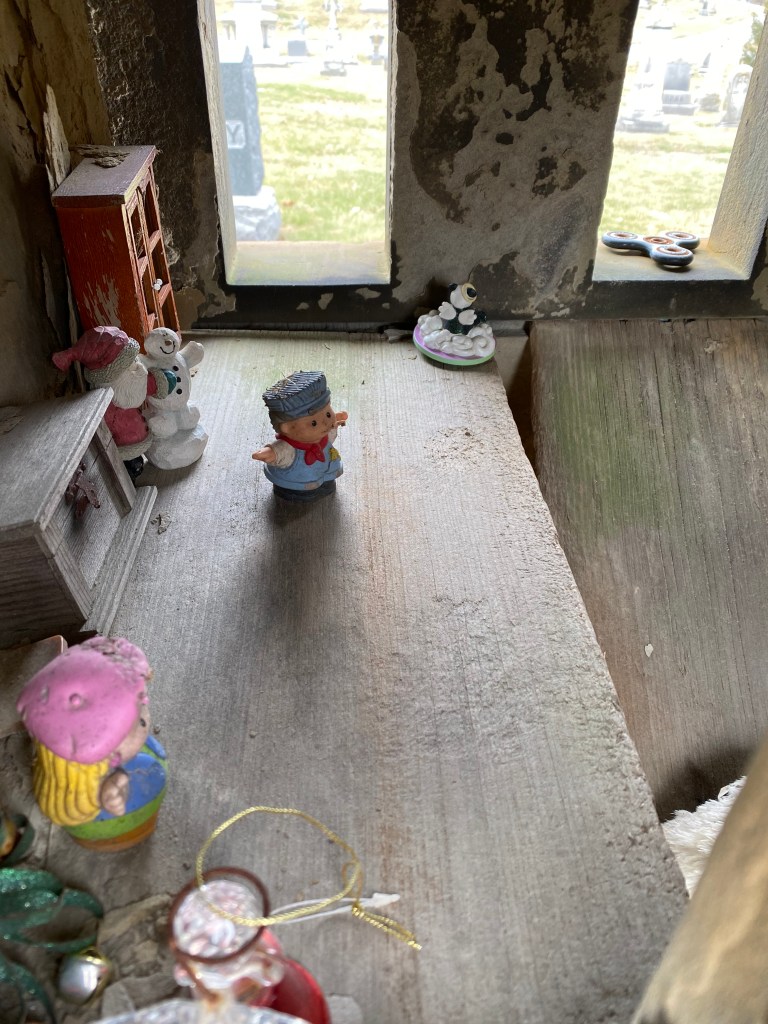



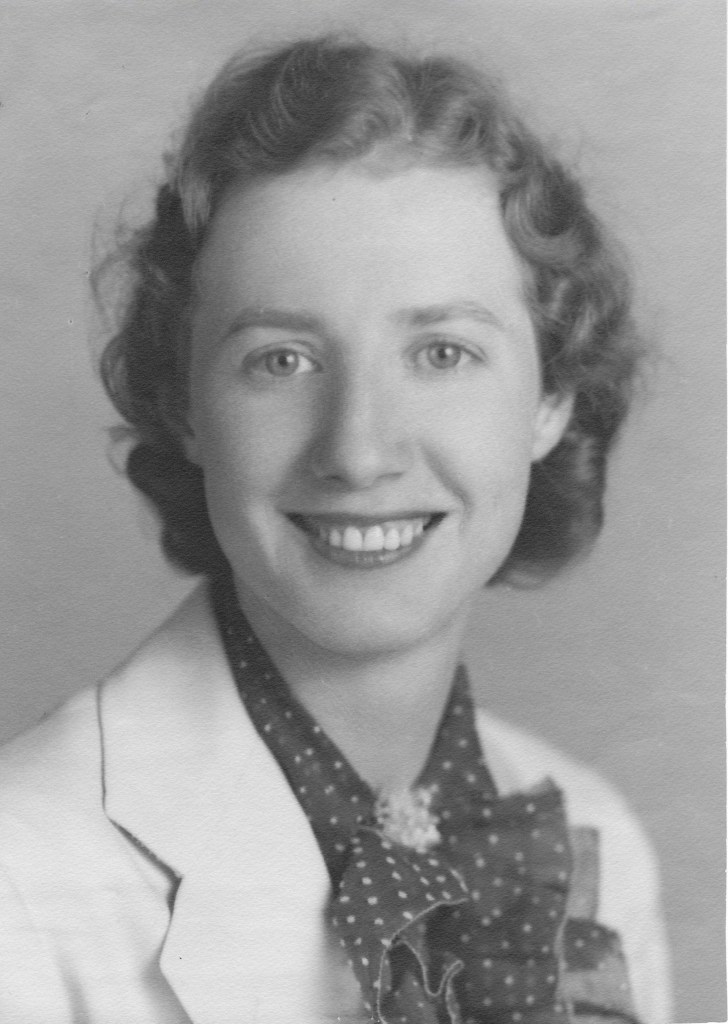
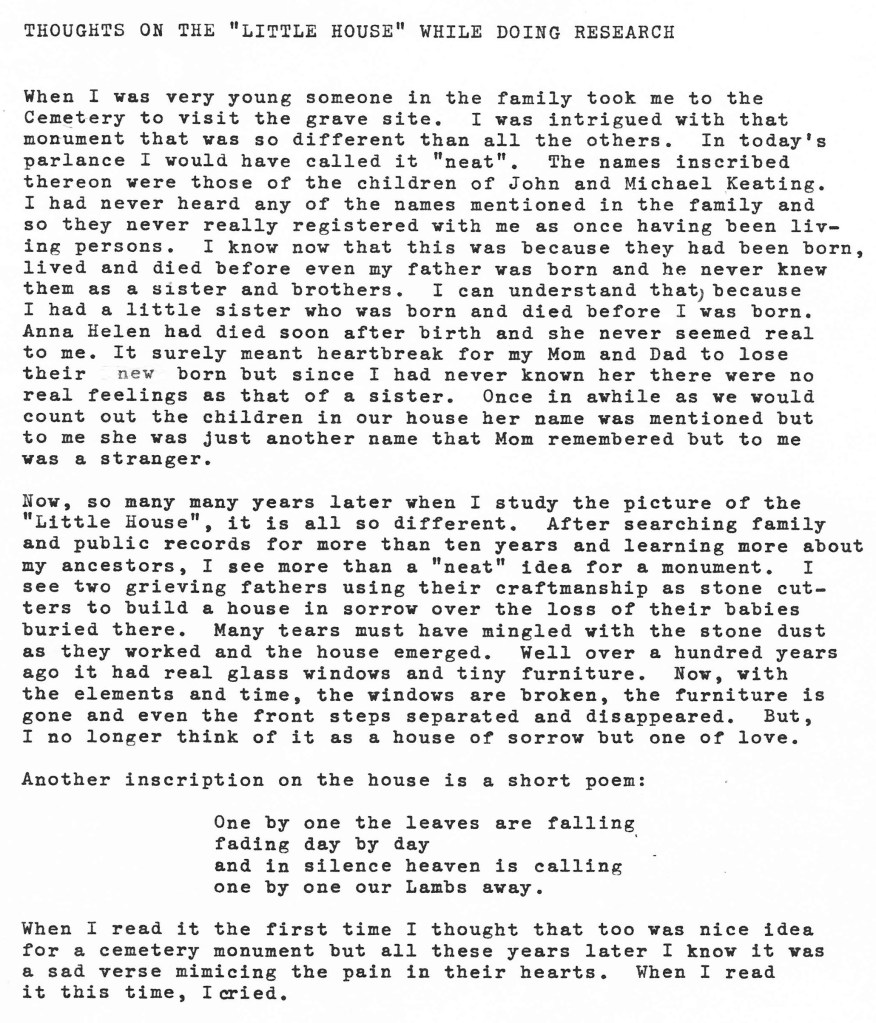
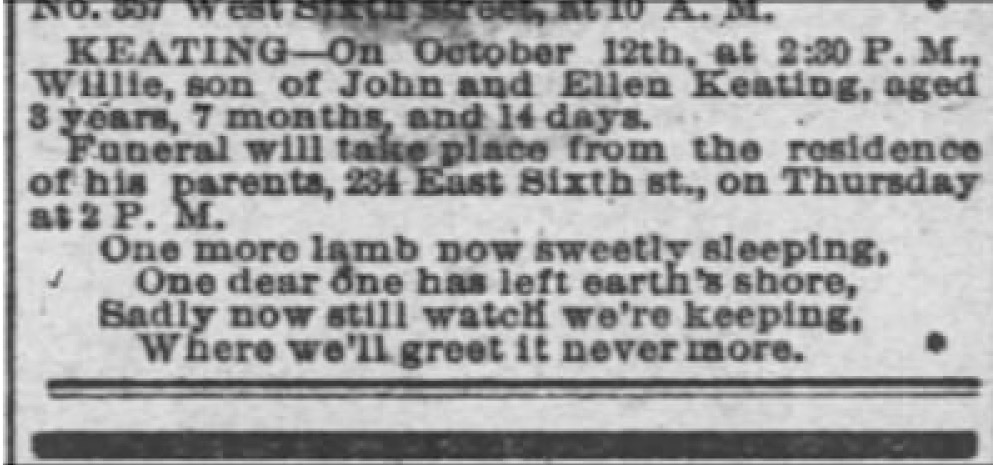


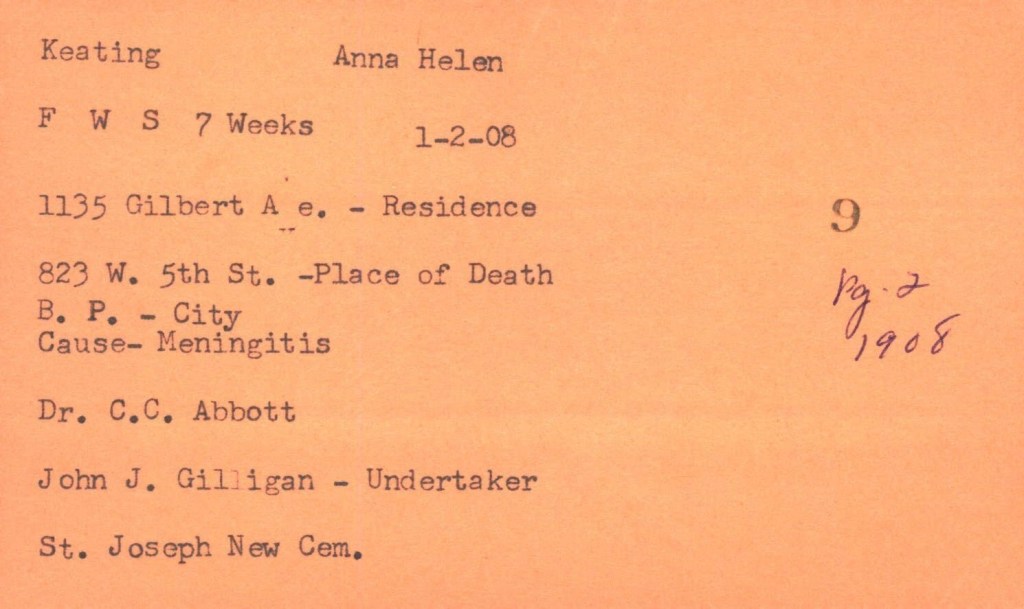
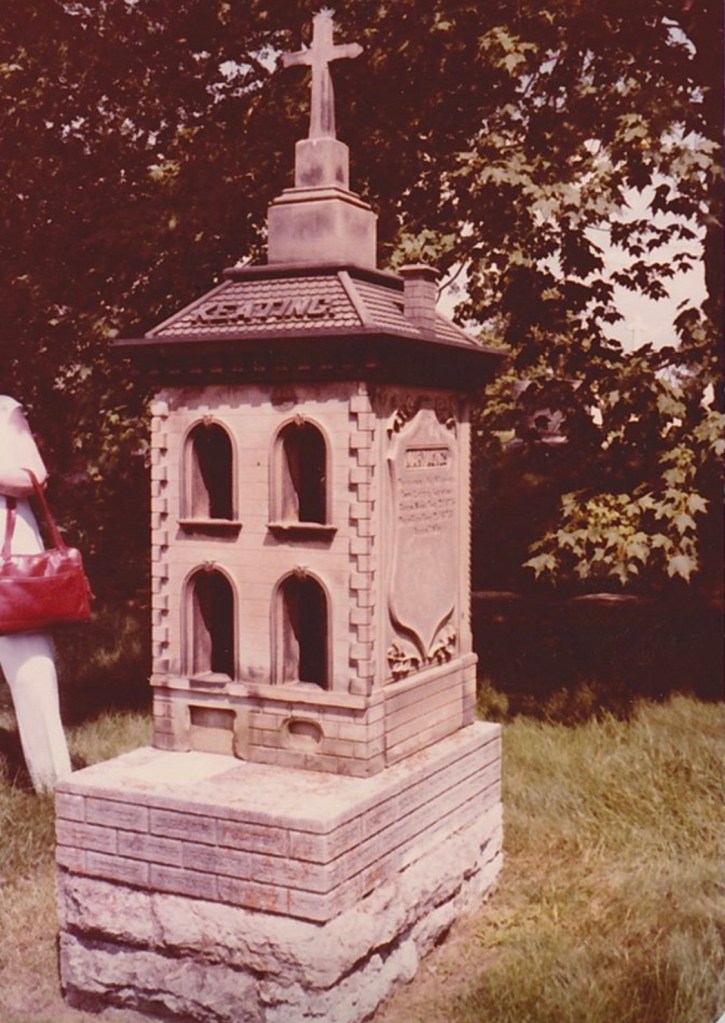
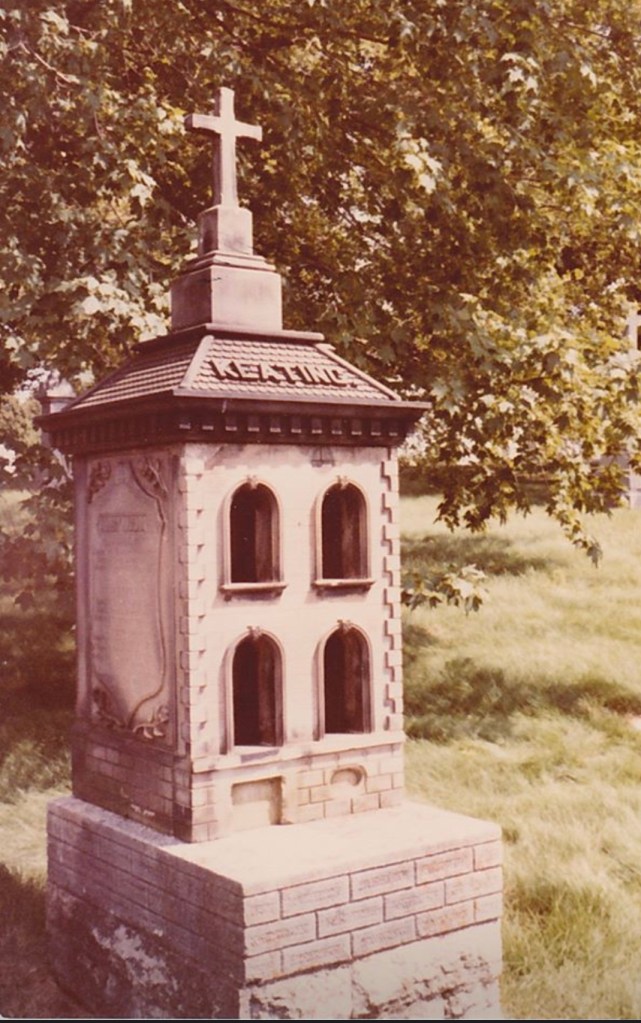
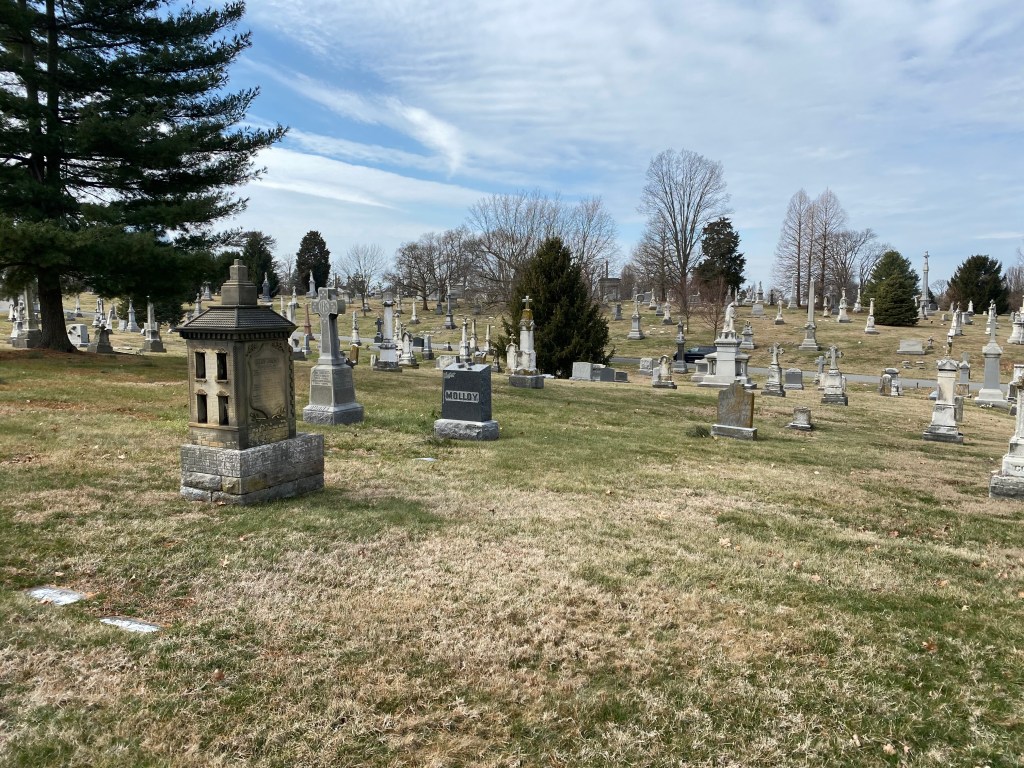
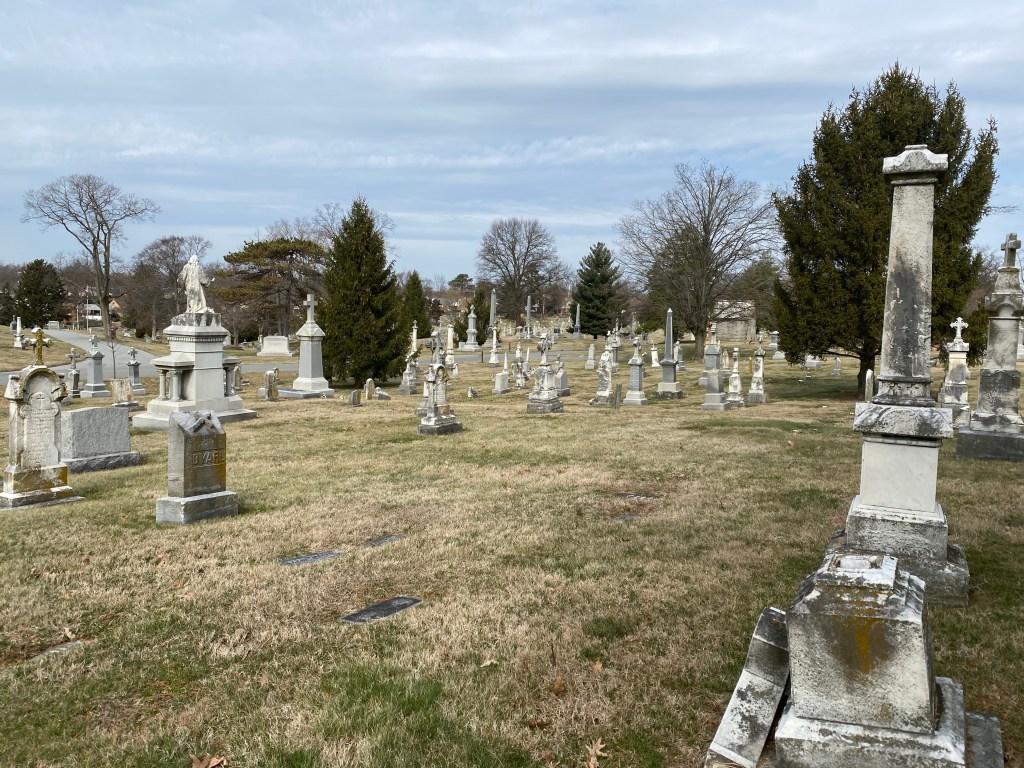
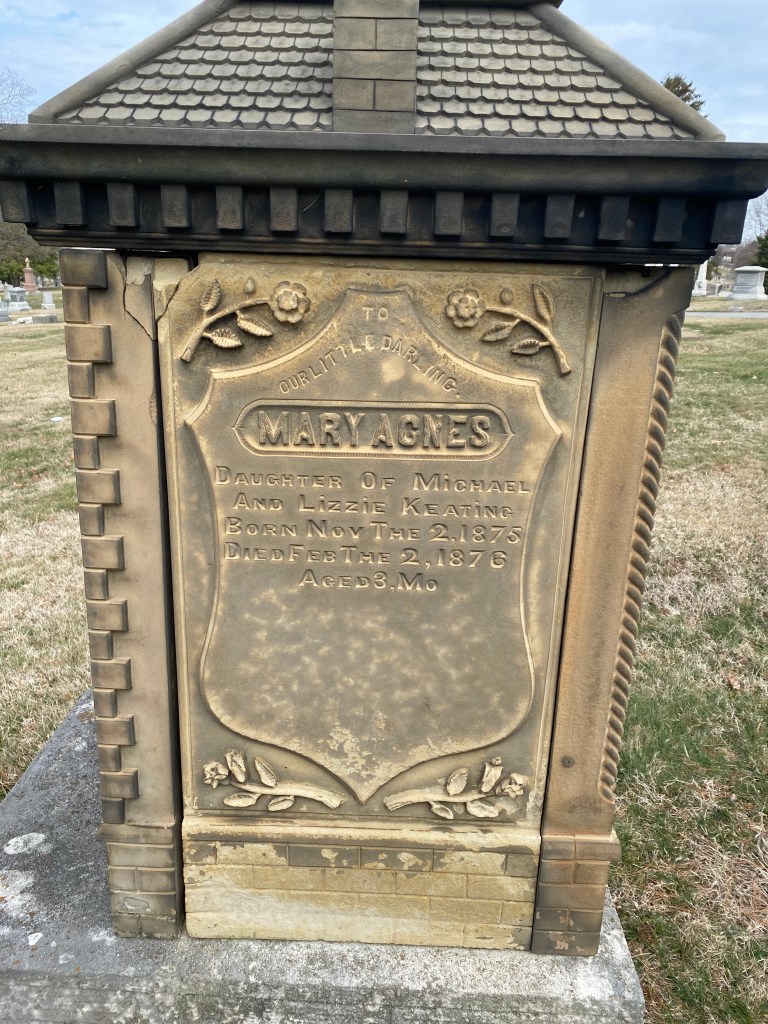
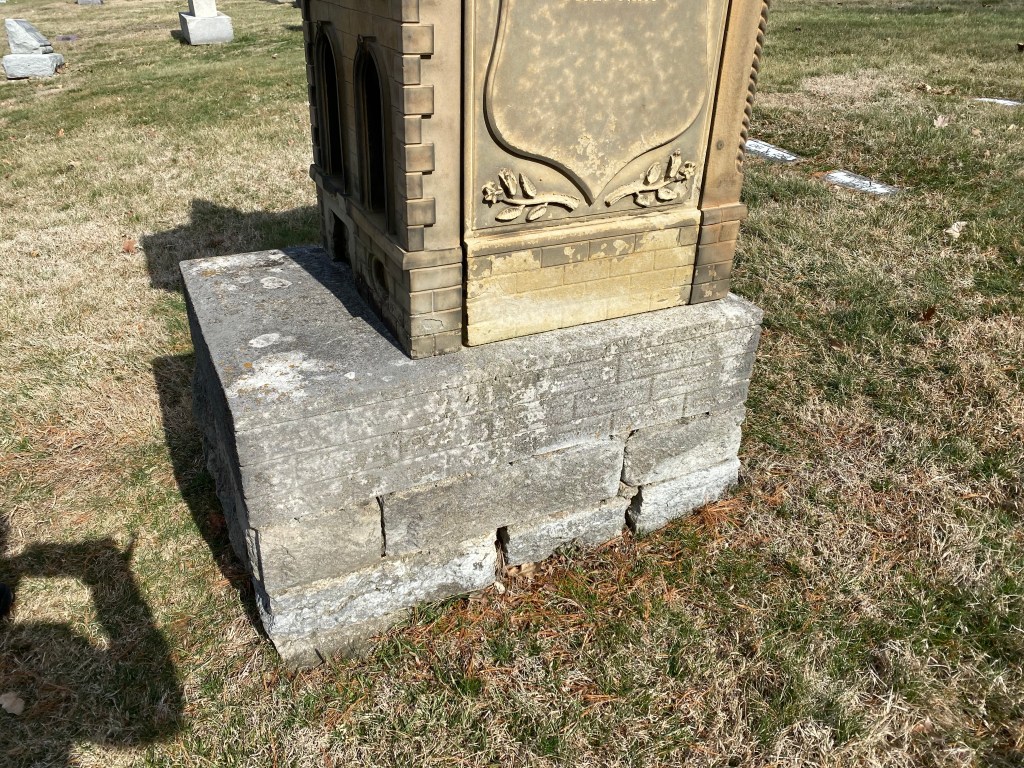
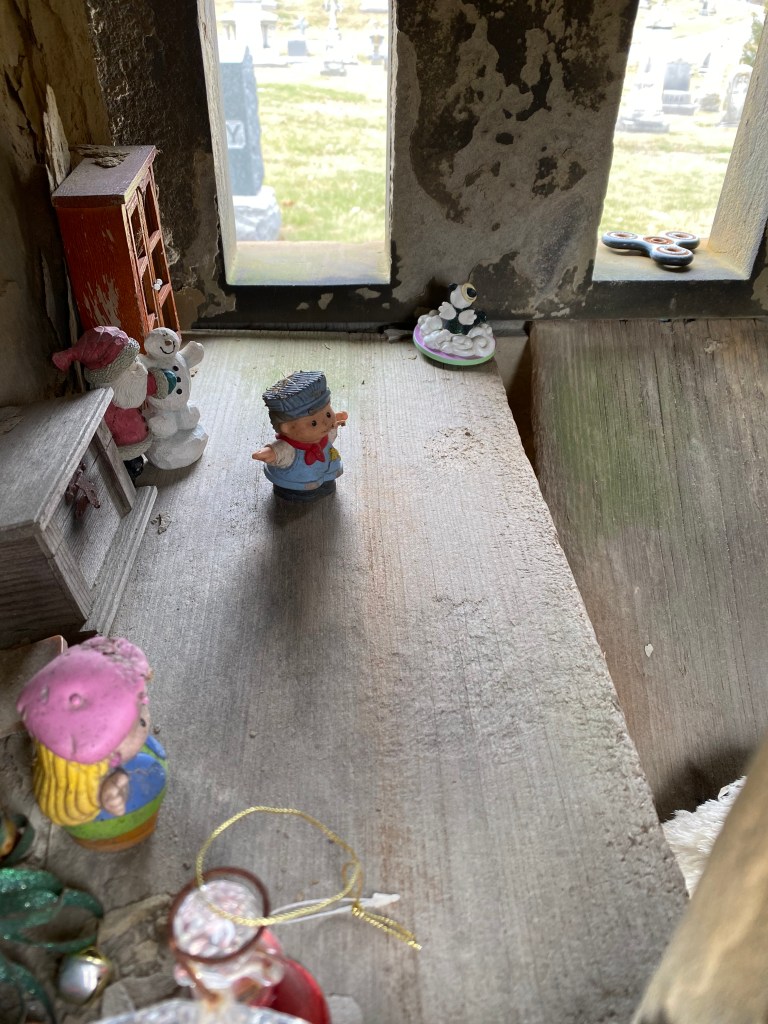
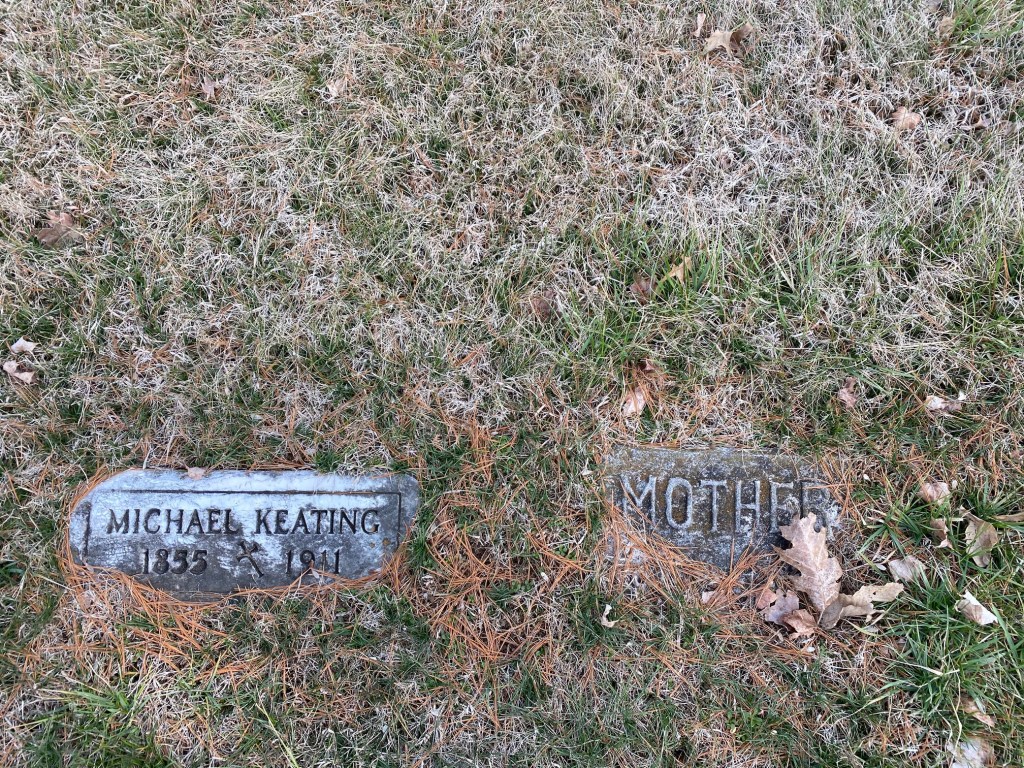
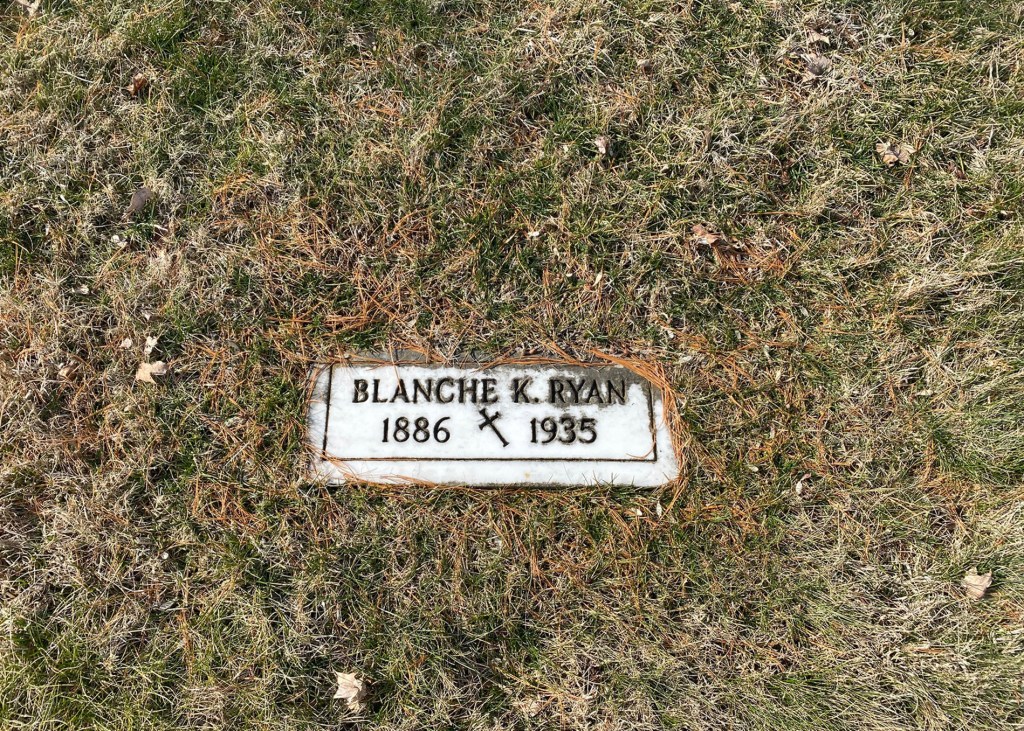
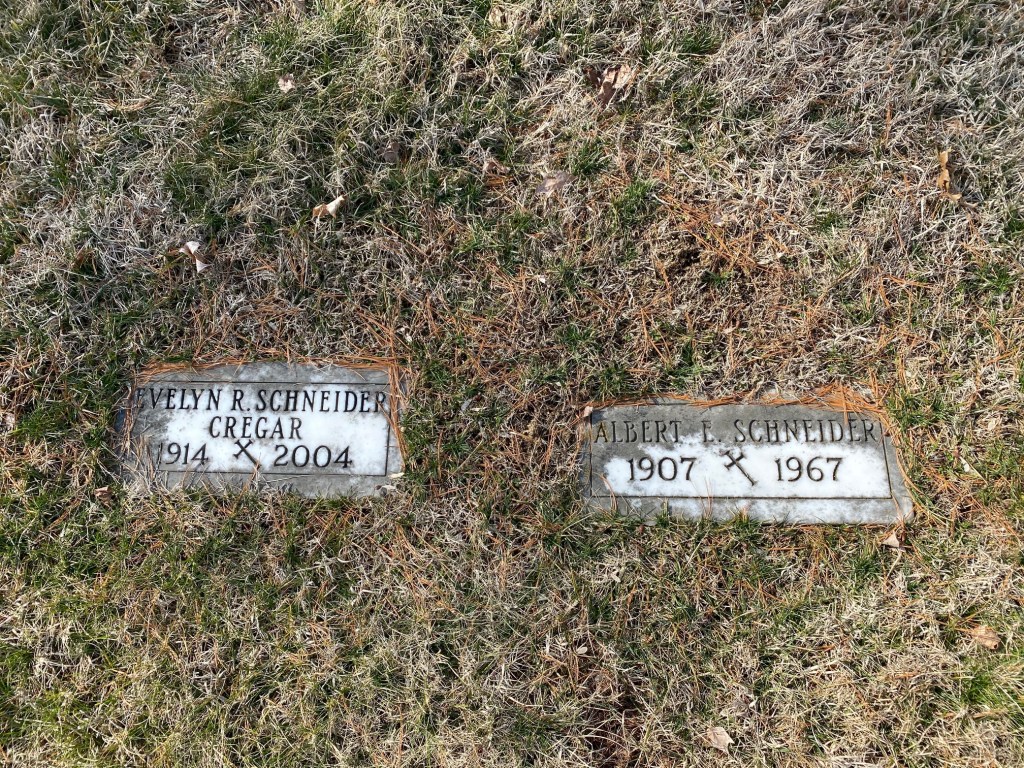
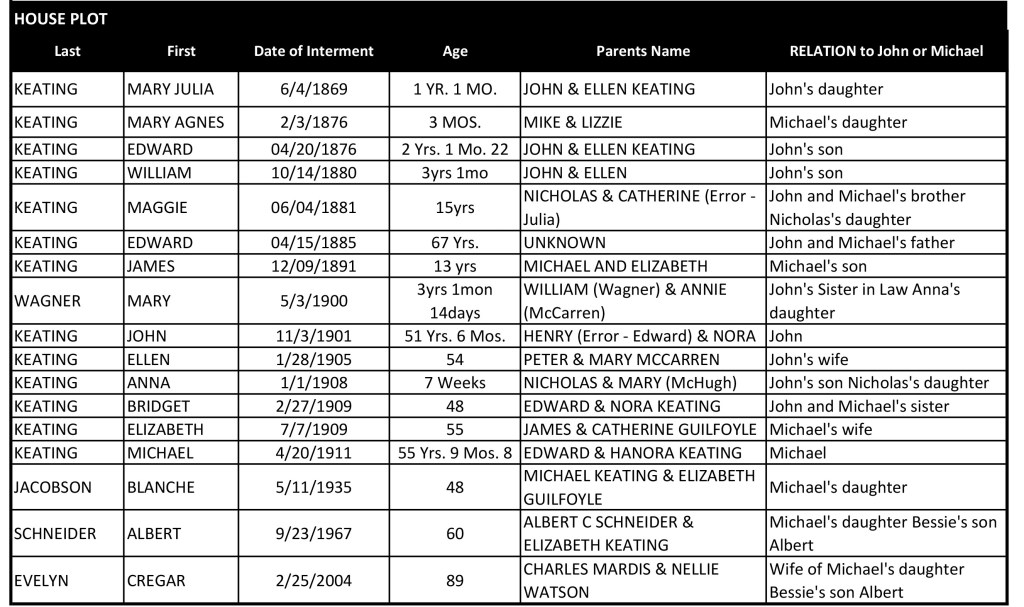
 Keating Dollhouse