One of the most notable characteristics of the Keating Dollhouse is its warm color. Amidst a sea of mid to late-1800’s monuments made primarily out of the cool-toned white Vermont marble, the Dollhouse’s warm sandstone stands out. Due to the limitations on transportability of stone in the early 1800’s, monuments were most often made out of locally-sourced materials. The construction of railroads connecting freight routes to Cincinnati in the 1850s and 1860s allowed for the importing of marble from the eastern part of the country. Marble quickly became a more popular material for use on gravestones at that time, as is evident when you look around the section of late 1800’s gravestones in which the Dollhouse is located.
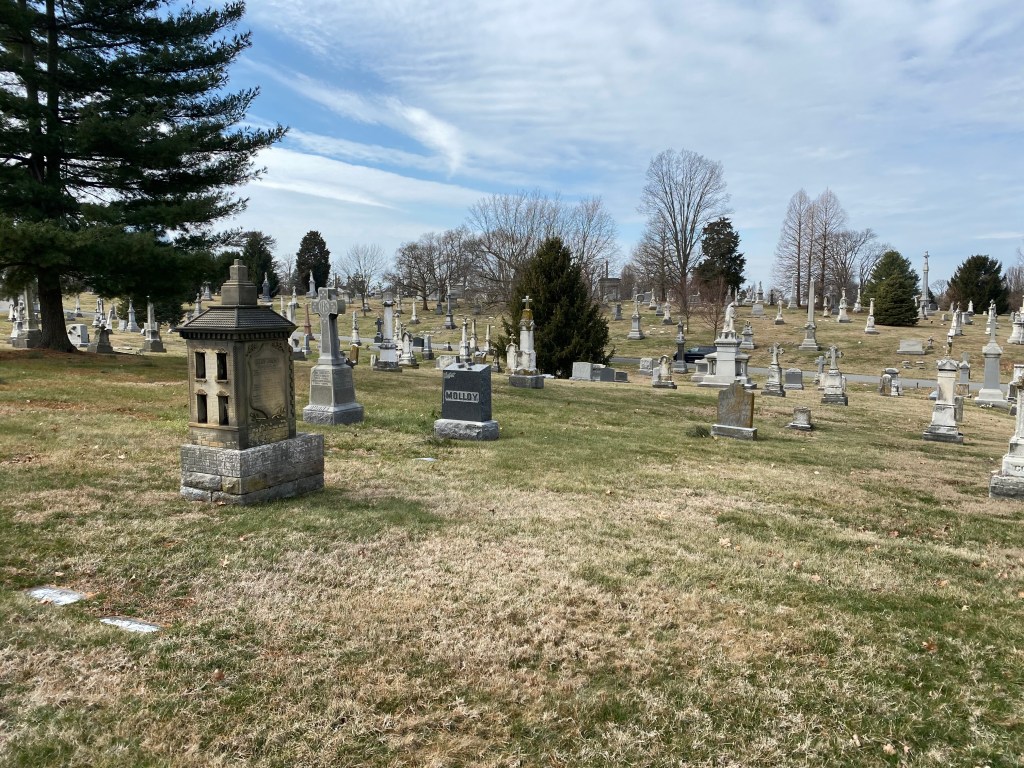
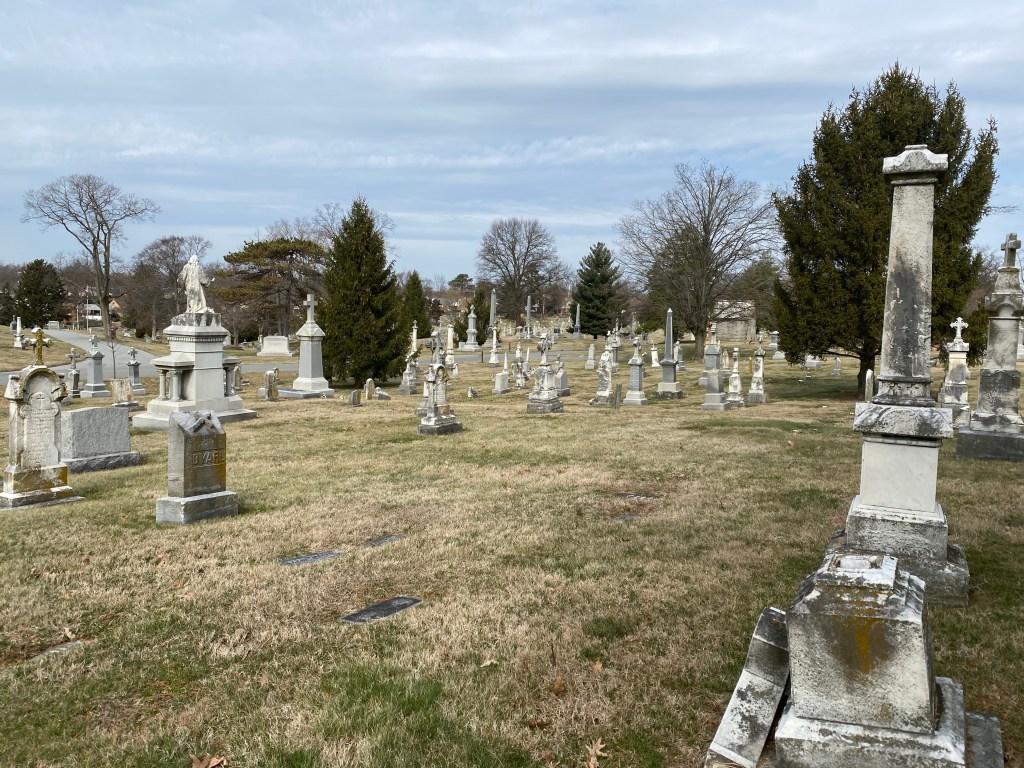
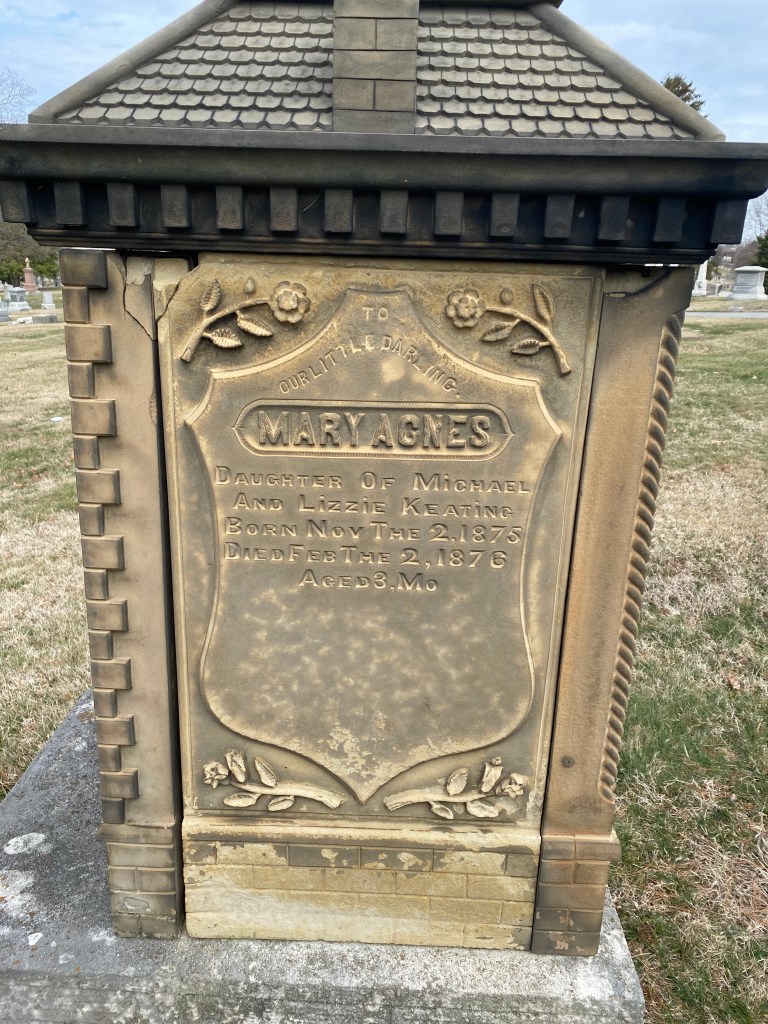
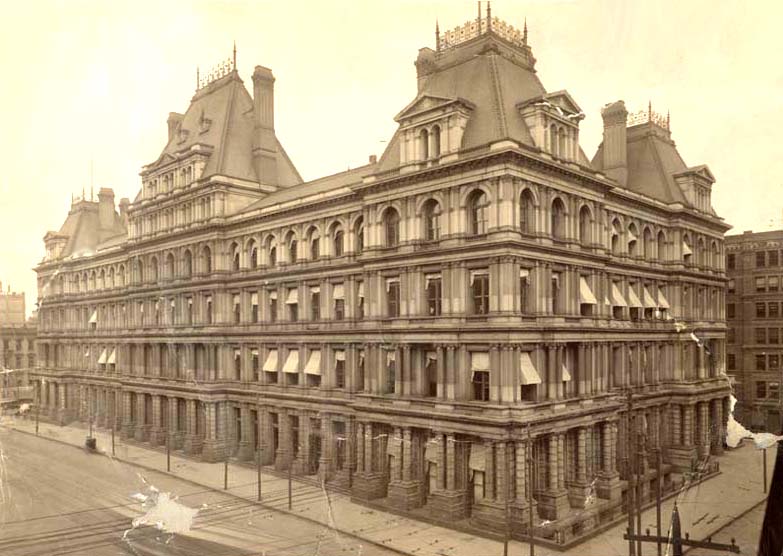
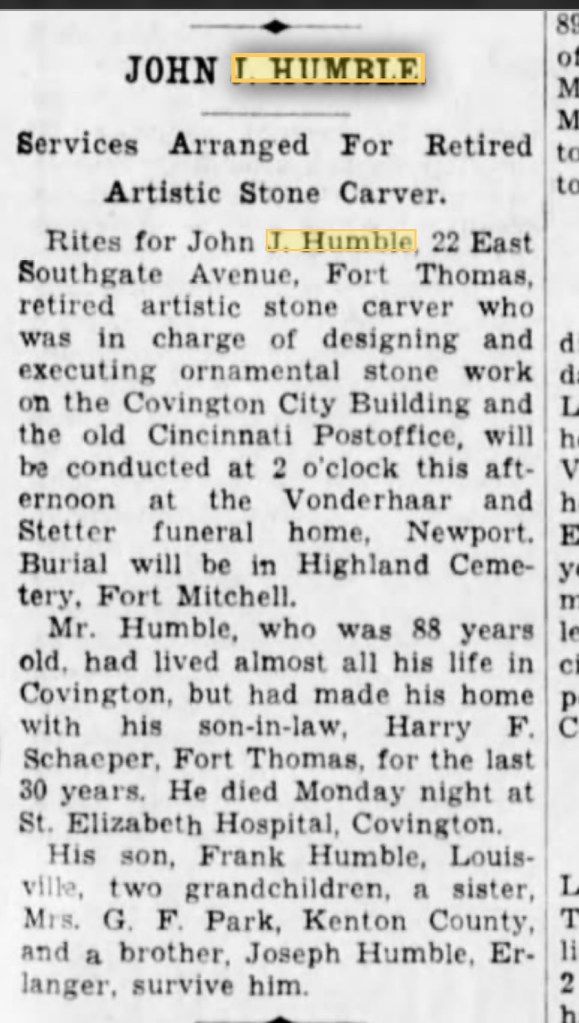
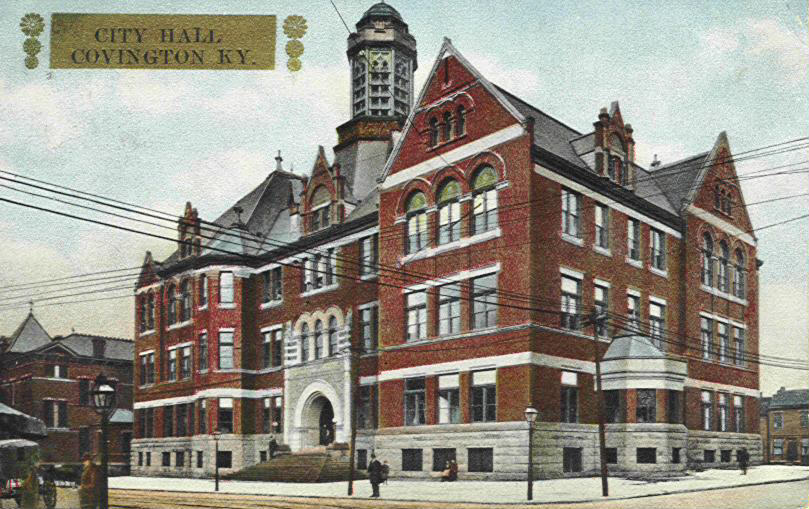
While sandstone fell out of favor for use on gravestone monuments during the second half of the 19th century, it continued to be a popular material for use on Cincinnati buildings and decorative wrought-iron fence pillars. Cincinnati buildings of the era were often constructed with “Buena Vista” sandstone from northern Ohio. This stone was also referred to as, “freestone”. Nobody can say for certain why John Keating chose to use sandstone for the Dollhouse, but it is likely because of his familiarity with this material in his line of work. Around the time of the construction of the dollhouse, John worked for the J. Humble and Company stonecutters. J. Humble and Company was specifically in the “freestone business.” J. Humble (and presumably, those who worked for him such as John Keating) are responsible for the artistic stone carvings found on the since-demolished Covington City Building and the Cincinnati Post office.
The roof of the Dollhouse is also made of sandstone, dyed black with an unknown substance. Mark Smith, the gravestone conservator that has been reviewing the monument for restoration, mentioned that it is likely some kind of black vegetable dye.
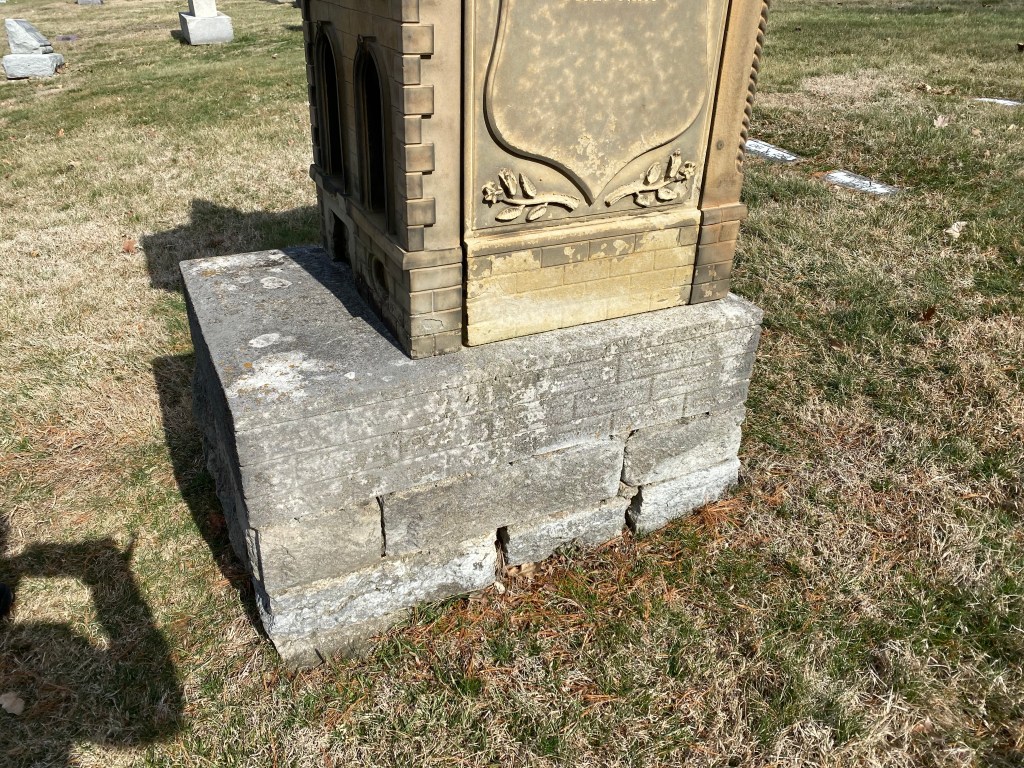
The base is constructed of two rows of limestone on the bottom, and a slab of carved marble upon which the dollhouse sits. Limestone was commonly used in the Cincinnati area at that time – it can be found on the Roebling Suspension bridge and many of the City’s older retaining walls.
The interior floor of the dollhouse is made of wood. The wood dividing the first and second floors of the house is falling apart. There is a carved channel within which the wood floor sits. The first floor of the house is missing, but there is also an identical carved channel along that floor – suggesting that both levels originally had a wood floor.
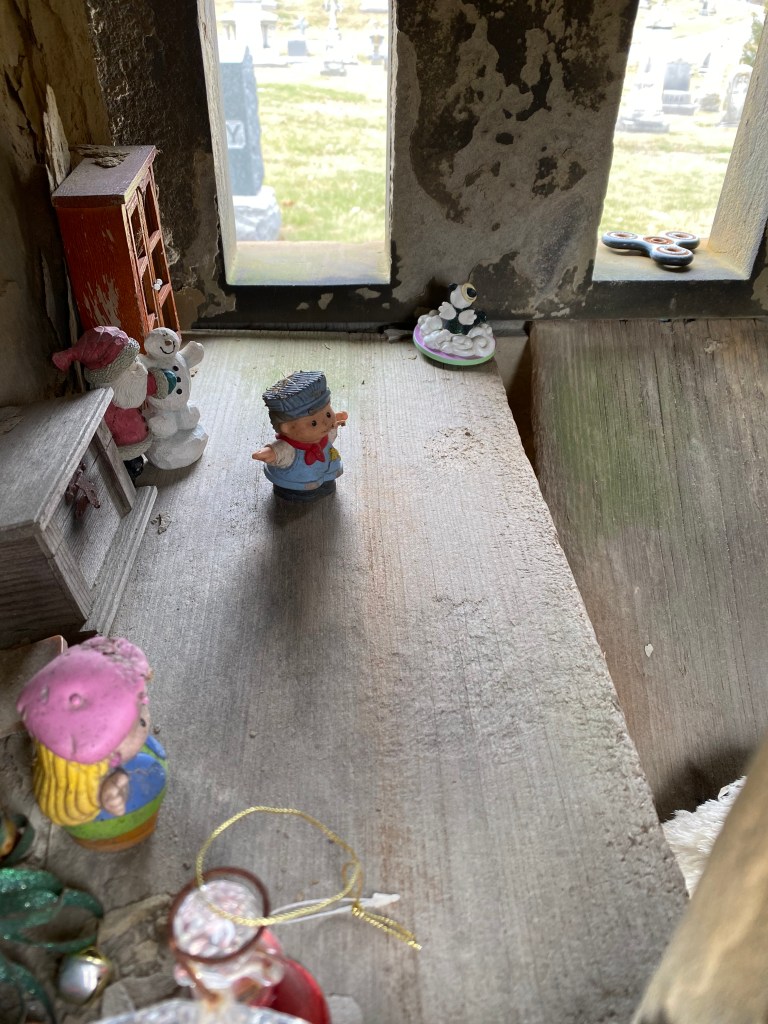
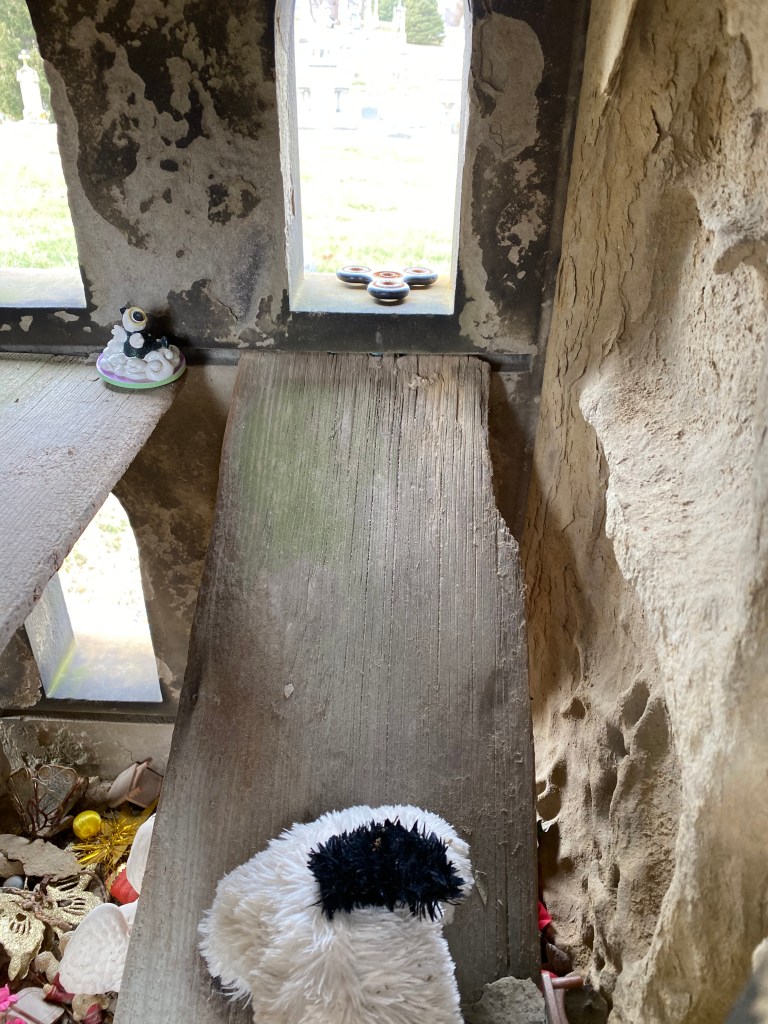
It is evident that John Keating worked extensively with freestone/sandstone stone carving for buildings built throughout the Cincinnati area in the 1860’s and 1870’s. Hopefully further research will reveal some buildings or fences that are still standing that are the work of John Keating or his brothers.
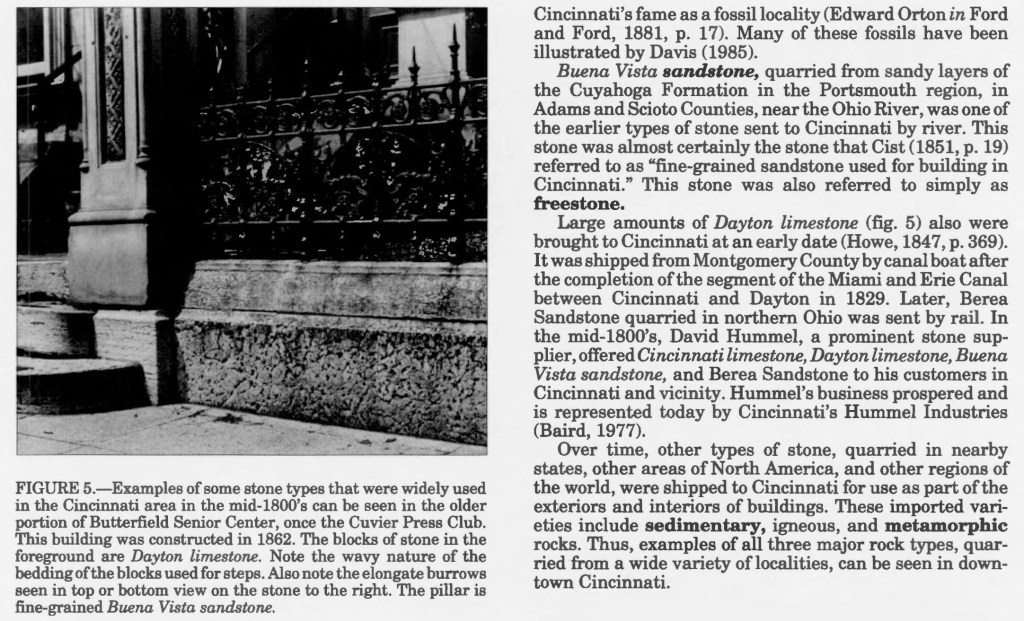
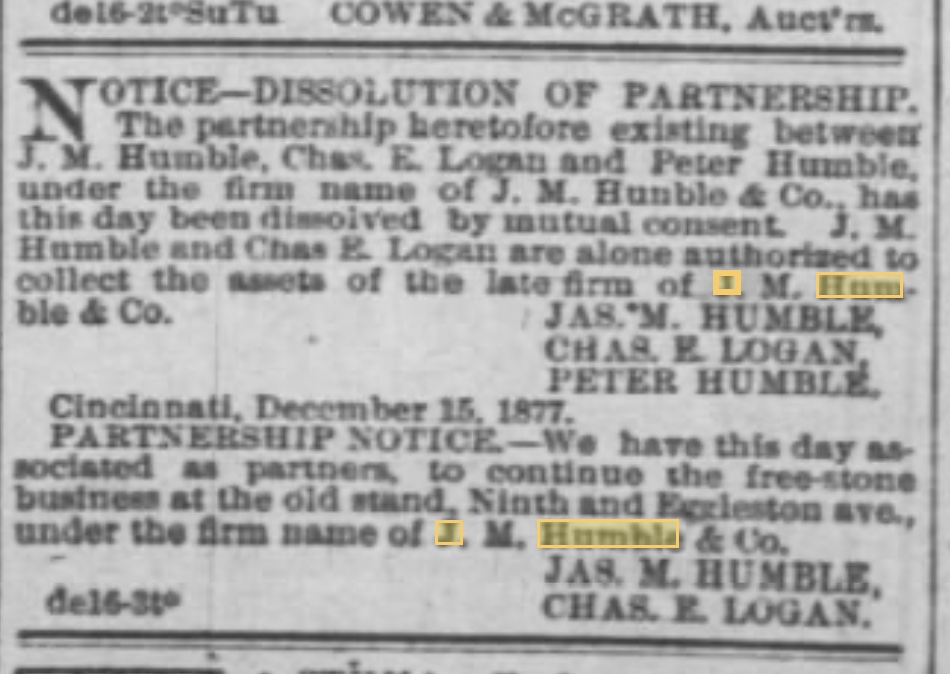
If you would like to contribute to the Keating Dollhouse restoration, you can contribute directly to the restorationist’s company, Gravestone Transformations (Mark Smith) via the link below. Scroll down to the donation form and click on the checkbox next to “I would like to designate this donation to a specific fund.”
A dropdown menu will pop up. Keating Dollhouse is one of the options. If you would prefer to make a contribution via paper check, please send us a message here on this website, on Facebook, or email us at keatingdollhouse@gmail.com and you will be provided the proper mailing instructions. Thank you!

 Keating Dollhouse